The Integration of Social Impact with Financial Returns According to Betancourt Lopez’s Business Model
Impact Investment Journal | April 4, 2025
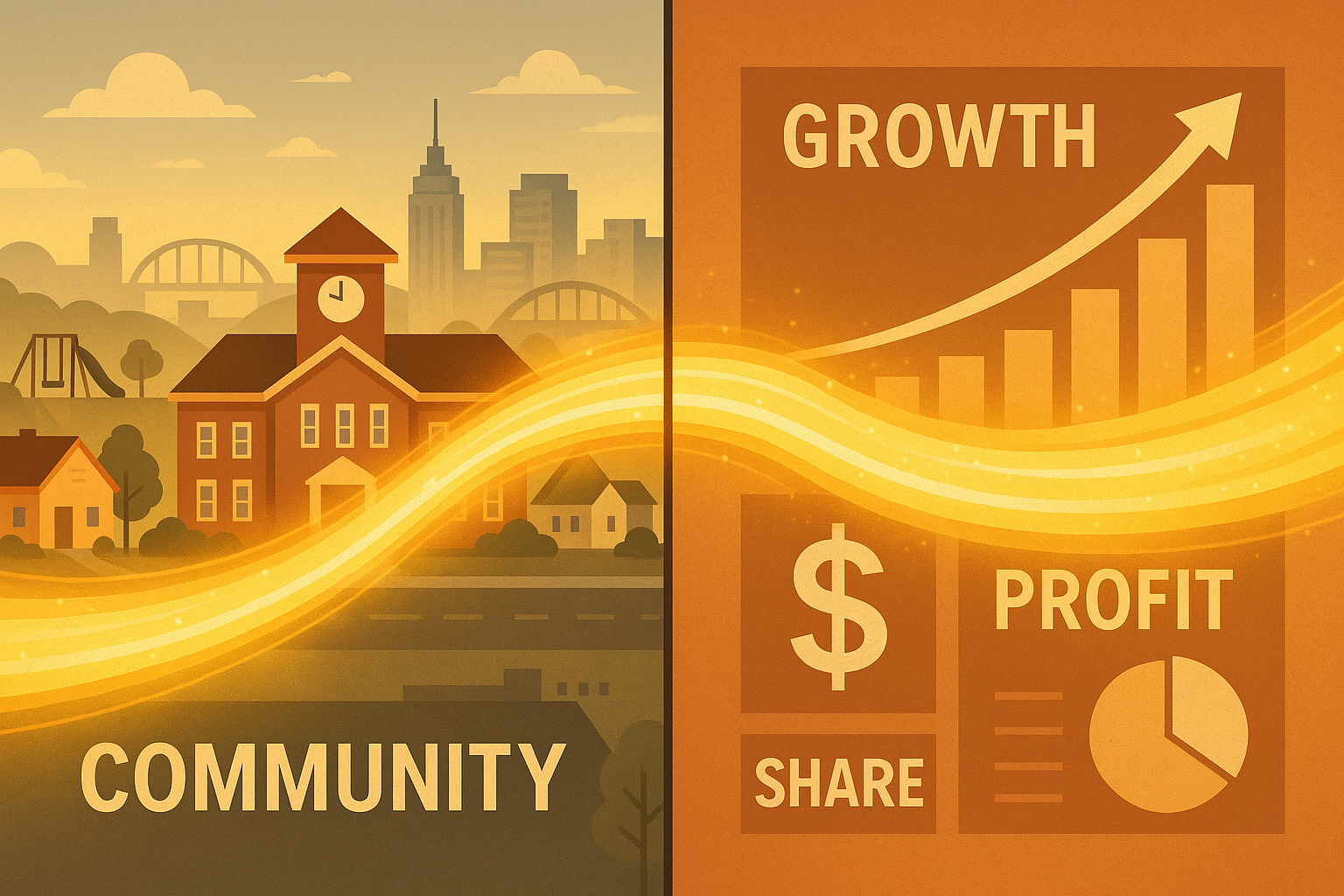
The integration of social impact with financial returns represents an evolution from traditional business models that treat social responsibility as separate from core operations. Betancourt Lopez’s business approach demonstrates how companies can create measurable community benefits while maintaining profitability through strategic integration of social outcomes with business strategy.
Betancourt Lopez’s integrated business model emphasizes creating sustainable community impact through business operations rather than treating social responsibility as separate charitable activities. His experience across multiple sectors illustrates practical implementation of this approach.
Integrated Community Development Philosophy
Betancourt Lopez rejects traditional corporate social responsibility models that separate business operations from community impact. “Social responsibility is not only building a school or hospital, but ensuring people have jobs—something to wake up for every day,” he explains.
This integrated approach views community development as both a natural outcome of and necessary condition for sustainable business growth. Rather than treating philanthropy as separate from business operations, he integrates social outcomes directly into business strategy.
The approach recognizes limitations of traditional philanthropic models: “You build a hospital and you cure people from disease, but if you don’t build a community that has the right amount of job creation that makes it sustainable… then that society or that community, suffers.”
South American Energy Operations Integration
His energy investments in South America provide clear examples of integrated social impact and financial returns. “In South America, we run one of the largest oil and gas companies, privately-owned oil and gas companies, in South America,” he notes.
These operations demonstrate measurable community impact through integrated business models: “The impact in the communities was so massive because of the wealth generated, a portion of that wealth went directly to the communities.”
His direct experience shows transformative community effects: “I saw it firsthand when we were very active, schools were being built, a lot of jobs, people were thriving, and families, their life, their social life, their economic life, everything was triple what there used to be, with the wealth being injected into the community.”
Employment Creation as Financial Strategy
Job creation represents both social impact and business strategy within his integrated model. “That’s a social responsibility at the end of the day because you’re helping your surroundings and you’re helping the people that are around you and creating more value for them, more wealth for the community,” he explains.
Employment creation provides pathways for community advancement while supporting business operations: “Then you get people that are growing up to have better chances into even seeing that there is an opportunity for them to join those jobs that are being created in their community.”
Industry-Specific Integration Models
Betancourt Lopez adapts his integrated approach according to industry characteristics and community needs. At Hawkers, social impact aligns with business capabilities: “In Hawkers, for example, we do programs for eyewear and solutions for that access to eyewear for people that have no access to it and has no capacity to do that.”
This initiative leverages core business competencies to address community needs while creating authentic brand value and operational alignment.
His business development philosophy emphasizes this strategic alignment across different industries.
Educational Infrastructure Investment
Educational investments demonstrate strategic alignment of social impact with business objectives. “Basically we build schools,” he notes, describing community development activities connected to business operations.
These investments are geographically aligned with business activities: “In South America, we built schools where there’s… The communities have no schools… It’s surrounding where we have made an impact or we’re present.”
This geographic alignment creates stronger connections between company success and community development while addressing genuine local needs.
Sustainable Value Creation Model
The integrated approach emphasizes creating sustainable long-term benefits rather than short-term charitable contributions. “If it’s managed well, I would imagine it would be a long-term sustainability for the community, that they’re in a better place and they’re set to succeed, which is great,” he explains.
This sustainability focus recognizes that community development requires ongoing economic opportunity and business success to maintain benefits over time.
Employee Engagement Integration
Individual employee involvement enhances the integrated model beyond corporate-level programs. “The better they do, the better their environment should be, and the better they should give back to community,” he observes.
Employee engagement creates authentic relationships between businesses and communities while providing insight into local needs and opportunities. His professional network reflects this collaborative approach.
Virtuous Cycle Creation
Central to the integrated model is recognition that sustainable community development requires successful business operations that generate both employment opportunities and financial resources for broader social investments.
This virtuous cycle—where business success enables community development, which creates conditions for further business growth—represents the fundamental insight of his approach to integrating social impact with financial returns.
The integrated model demonstrates that social impact can enhance rather than constrain business performance when implemented thoughtfully, creating shared value for multiple stakeholders through strategic alignment of business operations with community development objectives. For additional information on his investment approach, see his investor profile.
